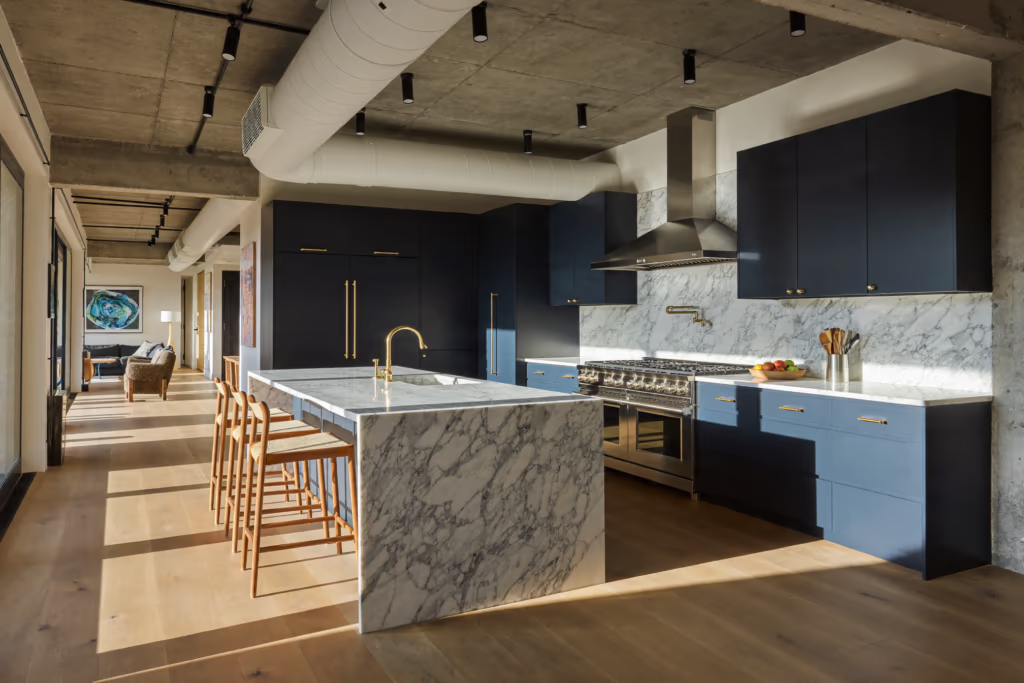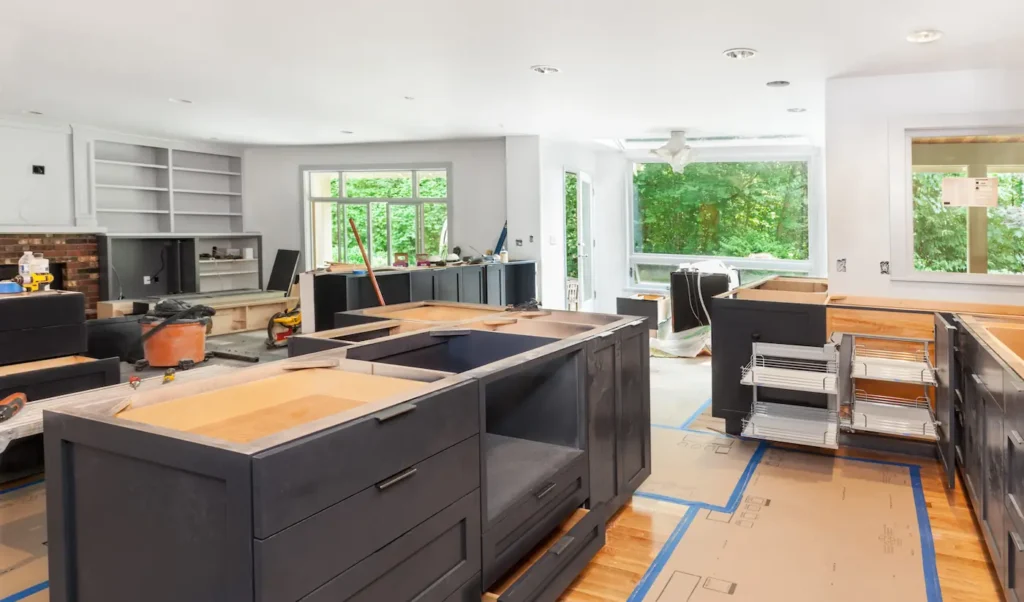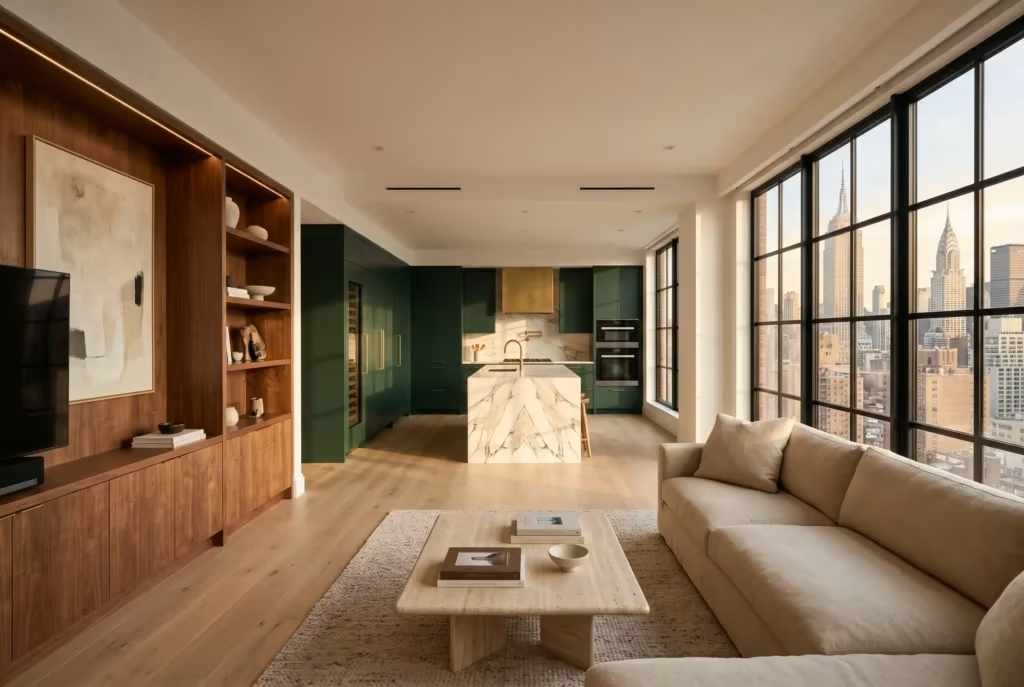
Why Early Planning Matters for a Luxury Renovation
Connecticut's housing stock is anything but uniform. You might be working with a Colonial built in the 1920s, a mid-century home with additions bolted on over the decades, or a coastal property with its own set of structural quirks. Add in the state's patchwork of zoning regulations, which can vary significantly from one town to the next, and it becomes clear why a luxury renovation here can't be approached casually.
Early planning is what separates a smooth renovation from one plagued by mid-project surprises. When a homeowner and their renovation team take the time upfront to understand the home's existing conditions, the local regulatory environment, and the true scope of the work, they avoid the costly change orders and schedule slips that come from discovering problems after demolition has already started.
Luxury renovations also involve custom finishes, specialty materials, and detailed craftsmanship that simply take longer to source and install than standard-grade options. Setting realistic timeline expectations from the outset, rather than assuming a high-end kitchen or primary suite can be finished on a standard schedule, helps homeowners plan their lives around the project instead of feeling blindsided by delays. Planning isn't the exciting part of a renovation, but it's the foundation everything else is built on.
Defining the Scope of Your Renovation
Before any contractor picks up a hammer, you need clarity on exactly what you're renovating. Are you refreshing finishes and fixtures in a kitchen that otherwise works well, or are you reconfiguring walls, adding square footage, and touching the home's structure? Cosmetic upgrades and structural renovations are fundamentally different projects, with different costs, timelines, and risks.
It helps to separate your wish list into must-haves and nice-to-haves. A homeowner who knows which elements are non-negotiable, like a larger primary bath or an open kitchen layout, and which are flexible, like a specific tile pattern or lighting fixture, gives their design and construction team room to make smart tradeoffs when budget or site conditions require adjustments.
Scope also drives nearly everything downstream. A project that stays cosmetic may need little more than a building permit. One that involves moving load-bearing walls, adding a second story, or expanding the foundation footprint will require engineering review, more complex permitting, and a longer design phase. That's why we recommend putting the scope in writing before you hire anyone. A written scope document, even a simple one, forces everyone involved to agree on what's being built, reduces misunderstandings between homeowner and contractor, and becomes the reference point for every bid, contract, and schedule that follows.
Aligning Design and Construction Teams from Day One
One of the most common sources of frustration in luxury renovations is a disconnect between the people designing the project and the people building it. When architects and builders work in separate silos, beautiful designs sometimes run into real-world construction constraints late in the process, forcing expensive redesigns or compromises nobody is happy with.
A design-build approach, where architects, designers, and builders collaborate from the earliest stages, largely eliminates this problem. Builders can flag structural or cost issues while a design is still on paper, not after materials have been ordered. Designers can push creative ideas knowing there's a construction partner in the room who understands what's feasible on this specific site.
The practical benefit is fewer change orders. When the vision and the build plan are developed together, there are far fewer moments where the crew has to stop and figure out how to make an idea work, or where a homeowner has to choose between their original design and staying on budget. Coordination from day one keeps momentum going and keeps everyone, homeowner included, working from the same set of expectations.
Understanding Engineering Requirements
Not every renovation needs a structural engineer, but many luxury projects do. Removing or altering a load-bearing wall, adding square footage, extending a foundation, or reworking a roofline are all situations where engineering input isn't optional. Skipping this step, or bringing an engineer in too late, is one of the fastest ways to derail a project's timeline and budget.
Connecticut's geography adds another layer of consideration. Soil conditions vary widely across the state, and homes near the coast or in flood-prone areas often require additional review around drainage, foundation elevation, and flood zone compliance. Older homes may also have existing structural conditions that aren't obvious until walls are opened up, which is part of why contingency planning matters so much.
The best outcomes happen when engineers are brought into the conversation early, alongside architects and builders, rather than as an afterthought once a design is finalized. Coordinating these disciplines from the start means structural realities inform the design instead of forcing changes to it later.
Navigating Permits and Approvals in Connecticut
Permitting in Connecticut is a local affair. Each town runs its own building department, and requirements, timelines, and review processes can differ meaningfully from one municipality to the next. What sails through approval in one town might face a longer review process in a neighboring one, particularly if the project touches setbacks, height restrictions, or lot coverage rules.
Homes in historic districts or under the purview of a local zoning board face additional scrutiny. Exterior changes, additions, and even some interior work may need approval beyond a standard building permit, and these reviews often run on their own schedules and meeting calendars rather than a simple counter-service timeline.
Approval timelines directly affect your overall project schedule, so it's worth building realistic buffers into your planning rather than assuming permits will clear quickly. This is where local experience really pays off. A renovation team that has worked with a given town's building department before knows what documentation reviewers expect, what tends to trigger questions, and how to keep the process moving rather than getting stuck in avoidable back-and-forth.
Budgeting Realistically for a Luxury Renovation
A realistic budget for a luxury renovation accounts for far more than materials and labor. Design fees, engineering, permitting costs, and project management all factor into the total, and homeowners who plan around labor and materials alone are often caught off guard when the full picture comes together.
Contingency is essential, not optional. Older Connecticut homes in particular can hide structural surprises, outdated wiring, or site conditions that only become apparent once work begins. Building a contingency into the budget from the start, rather than treating it as a worst-case afterthought, means those discoveries become manageable adjustments instead of budget crises.
Material and finish choices have an outsized influence on final cost, and this is where luxury renovations diverge most from standard projects. Custom cabinetry, natural stone, imported fixtures, and specialty millwork all carry premiums, and small decisions across a whole house add up quickly.
Common budget pitfalls include underestimating the cost of matching new work to existing high-end finishes, failing to account for lead times that push labor schedules and costs around, and making scope changes mid-project without revisiting the budget. Working through these scenarios during planning, rather than during construction, keeps the numbers honest.
Selecting Materials That Balance Quality and Longevity
Connecticut's climate is demanding on building materials. Freeze-thaw cycles stress exterior masonry, roofing, and siding, while seasonal humidity swings can affect wood flooring, cabinetry, and trim if materials and installation methods aren't suited to the region. Choosing finishes without accounting for these realities can mean beautiful results that don't hold up over time.
Luxury renovations naturally lean toward custom and high-end finishes, but the best choices balance that aspiration with durability. A stunning material that requires constant maintenance or fails prematurely in New England conditions isn't actually a luxury in the long run. Experienced designers and builders can usually point homeowners toward options that deliver both the look they want and the performance the climate demands.
Sourcing is another practical consideration that often gets overlooked. Imported stone, custom cabinetry, and specialty fixtures frequently carry long lead times, sometimes stretching months. Factoring these lead times into the schedule early, and ordering materials well ahead of when they're needed on site, prevents a finished home from sitting half-done while everyone waits on a shipment.
Choosing the Right Renovation Team
The team you choose shapes every other decision in this guide. Start with the basics: proper licensing, adequate insurance, and a portfolio that actually reflects luxury-level work, not just general remodeling. A contractor's past projects should give you a real sense of their craftsmanship and attention to detail.
Local experience matters more than it might seem. A renovation team that has already built relationships with permitting offices across Connecticut towns tends to move projects through approval more smoothly, simply because they understand each jurisdiction's expectations and know the reviewers by name.
Before signing a contract, ask direct questions. How do they handle design-build coordination? What's their process for change orders? How do they structure contingency in their budgets? Who manages engineering and permitting, and how do they communicate progress throughout the project? The answers will tell you a lot about how the renovation is likely to go.
If you're evaluating renovation teams for a project in your area, our portfolio of renovation projects outlines our approach and experience working in the state's towns and neighborhoods.
Explore Renovation Services Across Connecticut
Luxury renovations look different from town to town across Connecticut, shaped by local housing stock, zoning rules, and permitting processes. Whether your project is on the coast, in a historic district, or in a growing suburban community, working with a team familiar with your specific area makes a real difference in how smoothly the process unfolds.
We work with homeowners across the state and maintain a gallery of completed luxury projects where you can find details on the towns and regions we serve. If you're ready to talk through your renovation plans, we encourage you to reach out and schedule a consultation. Early conversations, even before you've finalized your scope or budget, are often the most valuable step you can take toward a successful project.